Web and Marketing
A Practical Guide to Personalized Healthcare Marketing While Staying HIPAA Compliant
By Amjid Ali · · Updated · 3 min read
In this article
- Understanding HIPAA’s Role in Healthcare Marketing
- What Personalization Looks Like in a HIPAA-Compliant Framework
- Using Patient Consent the Right Way
- Leveraging Technology Without Compromising Privacy
- Content Strategies That Balance Relevance and Compliance
- Training Teams to Avoid Costly Mistakes
- Final Thoughts

Individualization has emerged as an approach to the most useful strategy in contemporary healthcare marketing. Patients have high expectations of relevant, adequate communication that considers their needs, preferences, and health experiences. Nevertheless, healthcare organizations have a certain dilemma to overcome: providing individual experiences without violating regulatory boundaries. HIPAA poses rigid stipulations on the manner in which patient information may be accessed, distributed, and safeguarded- complicating personalization, however, not eliminating it.
When done correctly, personalized healthcare marketing can strengthen patient trust, improve engagement, and support better health outcomes, all while remaining fully compliant with HIPAA regulations. The trick is to know what data can be deployed, and how to protect them, as well as how to develop marketing strategies according to the principles of privacy first.
Understanding HIPAA’s Role in Healthcare Marketing
HIPAA aimed to safeguard sensitive health data (Protected Health Information) of the patients. This encompasses any information that may identify a patient and associate with his or her health condition, treatment, or payment information. To the marketers, it implies that personalization should not be based on unauthorized access or use of PHI.
Nevertheless, HIPAA does not forbid healthcare marketing, it only regulates it. Marketing communications are permissible in instances where patients have given the appropriate permission or in instances where the communication is within certain exceptions, e.g., treatment messages or general health education.
It is in the knowledge of such limits that compliant personalization lies.
What Personalization Looks Like in a HIPAA-Compliant Framework
The HIPAA-compliant personalization is less sensitive to clinical data and more addressed to the consented, non-identifiable, or contextual data. Examples include:
- Reminders and follow-up messages on appointees.
- Health-related general interest learning material.
- Geographical clinic updates.
- Patient-selected preferences service recommendation.
Instead of marketers focusing on individuals according to diagnosis or treatment history, opt-in data, behavior on a site, or anonymized analytics can be used to do so.
Using Patient Consent the Right Way
One of the most effective instruments of compliant healthcare marketing is consent. With patients giving a clear mandate to use their information in their communication, healthcare organizations would have greater flexibility in their outreach personalization.
The best practices in consent management can be defined as:
- Clearly described opt-in forms describing the use of data.
- A different authorization of marketing and treatment communications.
- Simple opt-out systems on each message.
- Safety in documenting the consent records.
Transparency defends your organization legally as well as earns long-term patient trust.
Leveraging Technology Without Compromising Privacy
Personalization may be assisted by marketing automation, CRM systems, and analytics platforms–but again, only when they satisfy the HIPAA standards. Any third-party vendor that accesses PHI has to enter into a Business Associate Agreement (BAA) and implement responsive security practices.
Major technical protection measures are:
- Rest and transmission encryption of data.
- Role-based access controls
- Periodic system audits and monitoring.
- Strong email and communication systems.
Responsible personalization of message targets by marketers can be done using HIPAA-compliant tools that will not reveal sensitive data.
Content Strategies That Balance Relevance and Compliance
Personalization is achieved to a great extent through content marketing without breaking the rules. Educational blogs, newsletters, and resource guides can be structured to appeal to the audience without mentioning their specific health conditions.
As an illustration, rather than posting content on a particular diagnosis, healthcare organizations may post:
- Preventive care tips
- Wellness resources
- Seasonal health reminders
- Updates and announcements of the services.
This also makes messaging beneficial and pertinent without PHI usage.
Training Teams to Avoid Costly Mistakes
The most elaborate strategies are subject to failure in case the staff is not being trained accordingly. HIPAA fundamentals and their application in digital marketing efforts should be familiar to marketing, administrative, and clinical teams.
Training should involve regular training on:
- What qualifies as PHI
- The difference between personalization and targeting.
- Safe data management procedures.
- Penalties of failure to comply.
A knowledgeable staff minimizes the risk and congruency throughout the marketing channels.
Final Thoughts
HIPAA compliance and personalization do not go hand in hand. Healthcare organizations can provide valuable, customized experiences without endangering patient data and their reputation by concentrating on consent, secure technology, and privacy-first messaging.
Compliant personalization, as practiced in a well-thought-out way, not only passes the regulatory test; it builds trust, boosts patient relationships, and helps to improve the levels of engagement throughout the entire healthcare process.
Keep reading
 Web and MarketingThe Triple-A Framework: How to Improve Brand Visibility in AI Search EnginesIt’s 2026. If your marketing strategy still revolves around keyword density, ten blue links, and traditional search engine results pages (SERPs), your · 8 min read
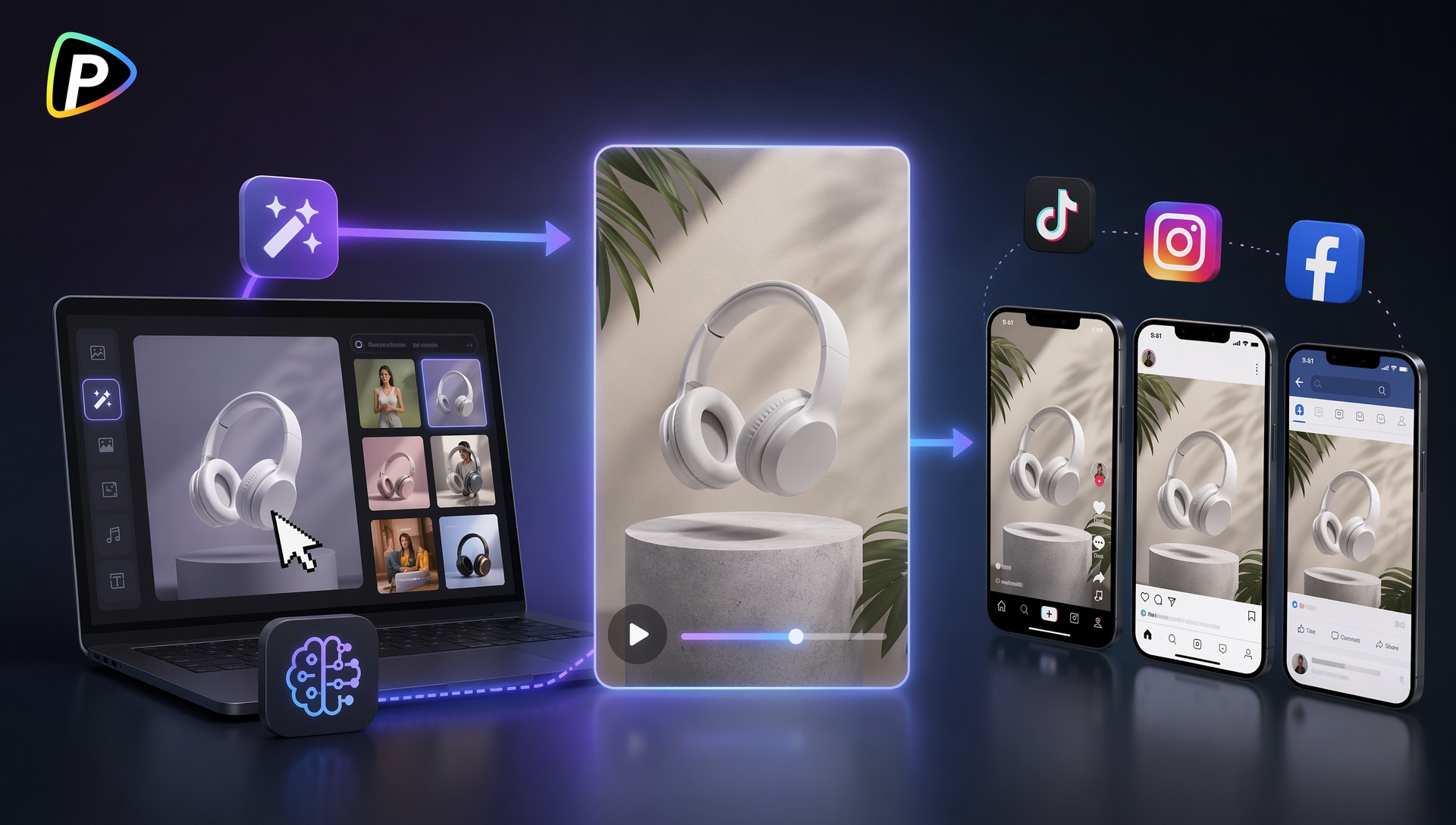 Web and MarketingHow to Use an AI Video Mockup Generator to Create Social Media Ads Without Video EditingLearn how to use an AI video mockup generator to create professional social media ads without video editing. This guide explains what the Pollo AI Video Mockup Generator is, how it works, its key features, advantages, limitations, and best practices for creating marketing-ready video mockups. · 8 min read
 Web and MarketingHow to Improve User Experience for WooCommerce Product Variation PagesEver opened a product page and felt confused? You were ready to buy. Wallet almost out. Then suddenly there’s ten options. Maybe twelve. Sizes. Colors. · 6 min read