Business and ERP
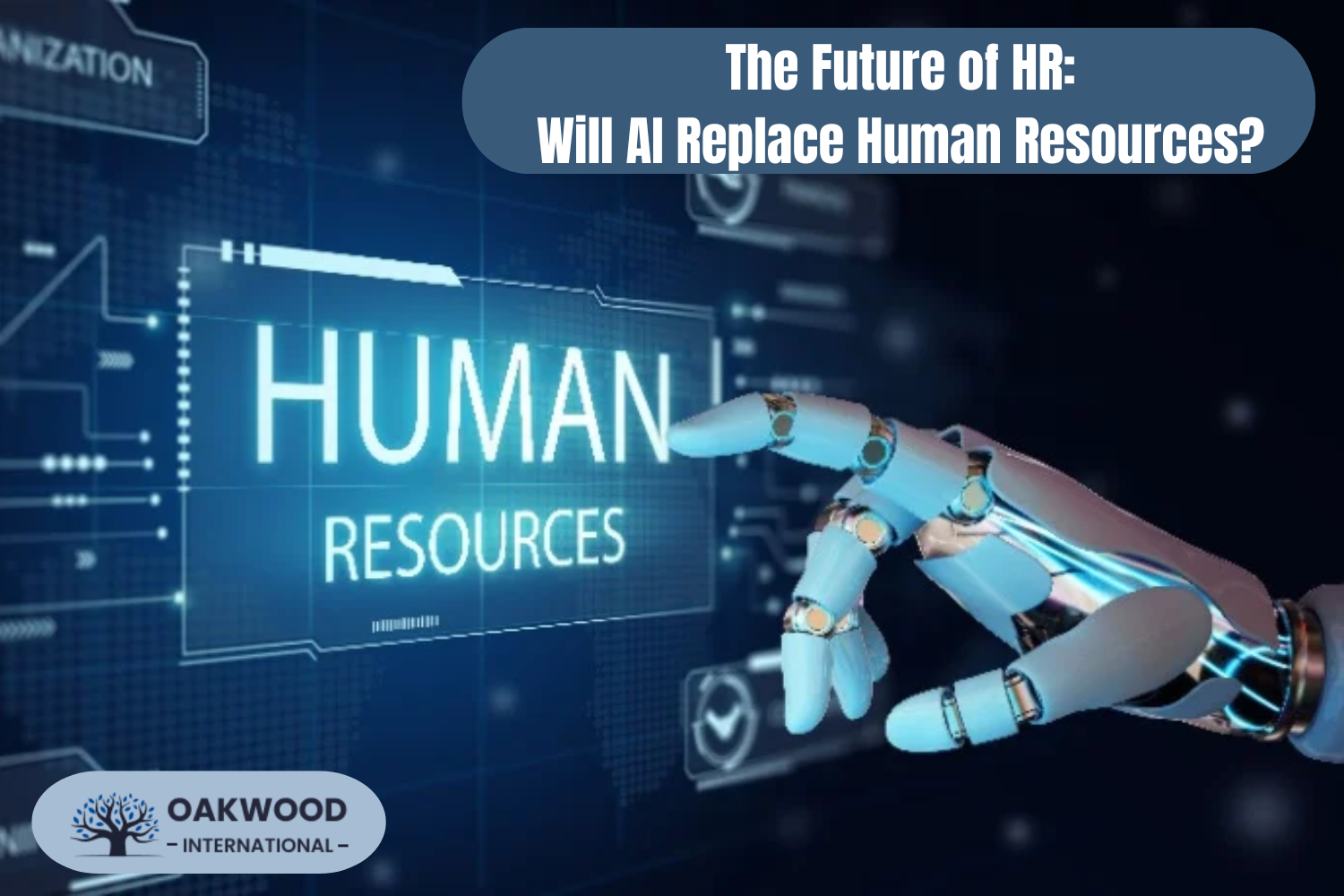
The Future of HR: Will AI Replace Human Resources?
By Amjid Ali · · Updated · 4 min read
In this article
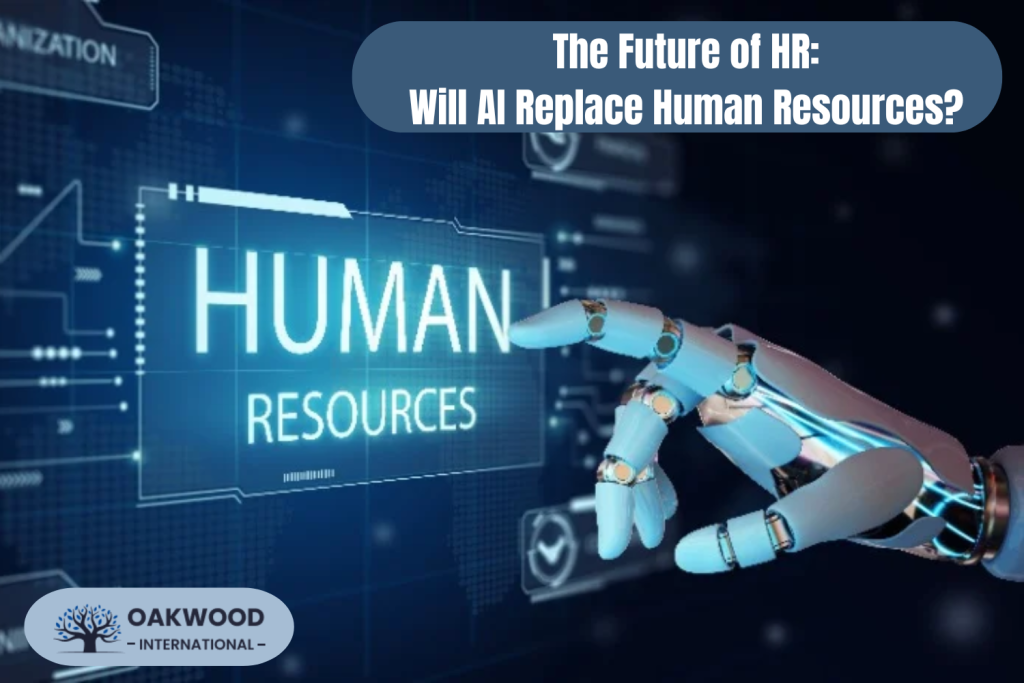
Ever wondered what the future holds for people professionals? With the rise of automation, many are now examining the CIPD Level 5 Associate Diploma in People Management to stay relevant. But the real question is bigger. As AI gets smarter, what happens to the human side of HR? If you’re asking What is Human Resource Management in today’s world, it’s no longer just about hiring. It’s about people, performance, and now, programming. Let’s explore whether HR is at risk or on the edge of something new.
Table of Contents
- AI is Already Here in HR
- Tasks AI Can Handle with Ease
- Where Humans Still Outperform Machines
- HR Needs to Evolve, Not Disappear
- Skills That Make HR Professionals Future-Proof
- Conclusion
AI is Already Here in HR
Let’s not act as though that will happen. HR already incorporates AI. Machines are already changing how teams work, from chatbots that respond to frequently asked employee enquiries to algorithms that narrow down hundreds of resumes. These days, many businesses utilise AI-powered systems to handle tasks such as processing yearly leave requests, onboarding documentation, and even writing job descriptions.
Big businesses are no longer the only ones making this change. Startups and Small and Medium-sized Enterprises (SMEs) are increasingly using AI solutions to enhance personnel management. These systems promise scalability, speed, and consistency. There’s a catch, though.
These tools are limited to what they are instructed to perform. They don’t reason; they follow rules. They react to inputs, but when something seems strange, they are unable to ask the appropriate enquiries. When it comes to human resource management, context is crucial. Morale or even legal compliance may be impacted by a forgotten detail or a poorly thought-out reaction. HR is full of nuance, which remains challenging for machines to comprehend.
Tasks AI Can Handle with Ease
AI is unquestionably very helpful for many HR jobs, particularly those that are rule-based and time-consuming. These are frequently professions that don’t call for interpretation or judgment. For example:
- Sorting CVs based on set keywords
- Sending automated follow-up emails to candidates
- Scheduling interviews across multiple calendars and time zones
- Monitoring team attendance, leave requests, and holiday balances
- Creating templates for standard HR letters and reports
All of these are repetitive but essential. AI manages them more rapidly and with fewer mistakes than a weary human could. This enables human resources specialists to concentrate on people rather than paperwork. Additionally, teams can grow more quickly without requiring big HR team.
There is a line, though, that must not be crossed. Blind spots may result from giving machines complete control over human activities. For example, even if a candidate is flawless, an AI may reject a CV with slightly changed language. Human supervision is still necessary.
Where Humans Still Outperform Machines
Humans are erratic. They contribute layered experiences, culture, and emotions to the workplace. AI will never be able to completely comprehend these human aspects, regardless of how sophisticated it becomes.
An underperforming employee cannot have a delicate conversation with a machine. It is unable to detect hesitancy or implicit uneasiness during a team gathering. It cannot identify when an employee needs help but isn’t asking for it, nor can it coach a manager through a challenging team reorganisation.
Skilled professionals, particularly those holding the CIPD Level 5 Associate Diploma in People Management, succeed in all of these situations. AI can never fully grasp the judgement, awareness, and emotional intelligence that this credential contributes to developing. Context and compassion cannot be programmed. They are acquired via education and experience.
HR Needs to Evolve, Not Disappear
It is important to clarify that HR is not being replaced. It’s changing shape. Working with automation rather than resisting it is the way of the future for human resources. Professionals who know how to use AI tools well will become more valued and strategic.
HR leaders will create and oversee technologies that automate labour-intensive tasks rather than manually processing requests or sifting through spreadsheets. They will concentrate on workplace culture, people strategy, and moral decision-making.
AI will improve HR in the same way that spreadsheets improve accounting rather than killing it. The future of people management will be led by those who can adjust.
Skills That Make HR Professionals Future-Proof
Focusing on our humanity is the best way to prepare for the future. Soft talents are what distinguish people in a world where machines perform regular tasks. These consist of:
- Emotional intelligence for dealing with sensitive conversations
- Problem-solving when policies don’t cover the full picture
- Cultural understanding to lead diverse teams effectively
- Coaching skills that help others grow professionally
- Making complex ethical decisions, not just efficient
The development of these fundamental abilities is supported by the CIPD Level 5 Associate Diploma in People Management. It helps HR professionals develop into leaders who can effectively leverage technology to drive business growth. At the same time, it helps them maintain a human-centred approach because people are still the most important factor in HR.
Conclusion
AI will change HR, but it will not erase it. People will always need people. Machines may support us, but they cannot replace empathy, insight, or leadership. If you are serious about the future of your HR career, learning with Oakwood International can help you stay relevant, human, and in demand.
Keep reading
 Business and ERPHiring a Technical Designer or Using Software: How Emerging Labels Are Splitting the Spec WorkAn ai tech pack generator has changed a decision that used to be simple for small apparel labels. A founder either paid a technical designer for every style · 3 min read
 Business and ERPWhat Healthcare Providers Should Know About Electronic RecordsMissed lab results. Duplicate tests. Referrals that seem to disappear into thin air. In many practices, these issues point back to the same root problem: · 8 min read
 Business and ERPHow Businesses Can Improve IT Support While Keeping Their Core Team FocusedImage source · 4 min read